

Moving beyond the cycle: Specialized trauma therapy for kids, teens, and adults
Confidential therapy in English or Spanish. In person in Reno NV and telehealth across Nevada
This might sound familiar…
These can be signs that trauma is affecting you
what is Trauma?
Sometimes it looks like:

What you are experiencing may be connected to past experiences you may not even recognize as “trauma”. These experiences shape how you respond to stress, trauma, and emotional intensity, with patterns that help you cope. Overtime, these patterns that once helped, are difficult to change.
— those patterns can keep you feeling stuck
Sometimes you feel an emotional pain that is so deep you can’t find words to express it…
The weight of those unspoken emotions can easily become overwhelming and heavy, leaving us feeling alone and isolated. You may show that things are well, but inside it feels a mess.
People often tell me that they “don’t want to be a burden”, so they stay quiet, and suffer alone.
Thoughts that “it’s all in my head” or “others have it worse than me” often stem from fear, shame or embarrassment that pushes the pain deeper until life becomes numb and joyless.
I hear you…
Feeling misunderstood, disconnected and lonely is real..
… you don’t have to carry this alone. If you’re ready to talk, we can start here.
You’ve survived it. Now, let’s heal from it.
Therapy can help you understand the root causes – to finally feel confident, stable and in control.
This isn’t about “fixing” you
—it’s about helping you understand yourself in a new way

Who I Work With
I work with kids age 7 and up, teens and adults who feel stuck in patterns, often rooted in past experiences they may not even recognize as trauma.

Trauma Therapy for Kids 7+

Trauma Therapy for Teens

Trauma Therapy for Adults
Why Work With Me
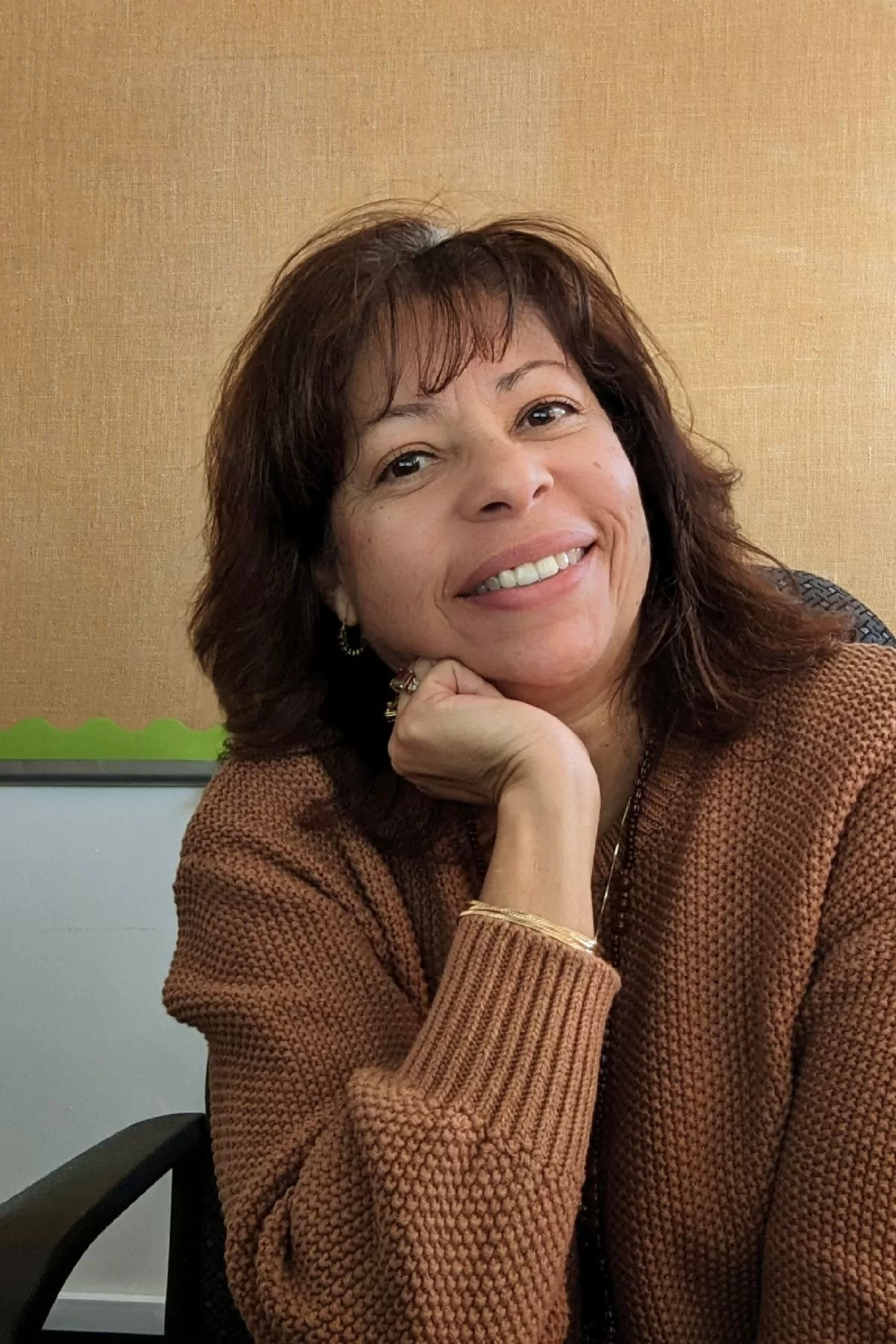
I’m a licensed clinical mental health psychotherapist trained in specific trauma-informed approaches: EMDR (including kids & teens), DBT, CBT, TF-CBT, CPT.
I offer in person sessions in Reno and telehealth throughout Nevada.

FAQs:
Therapy is a deeply Emotional Experience
Finding the right therapist matters
Your reactions may have developed for a reason, you are not broken, and you don’t have to understand everything before asking for support.
Confidential support in English & Spanish.